
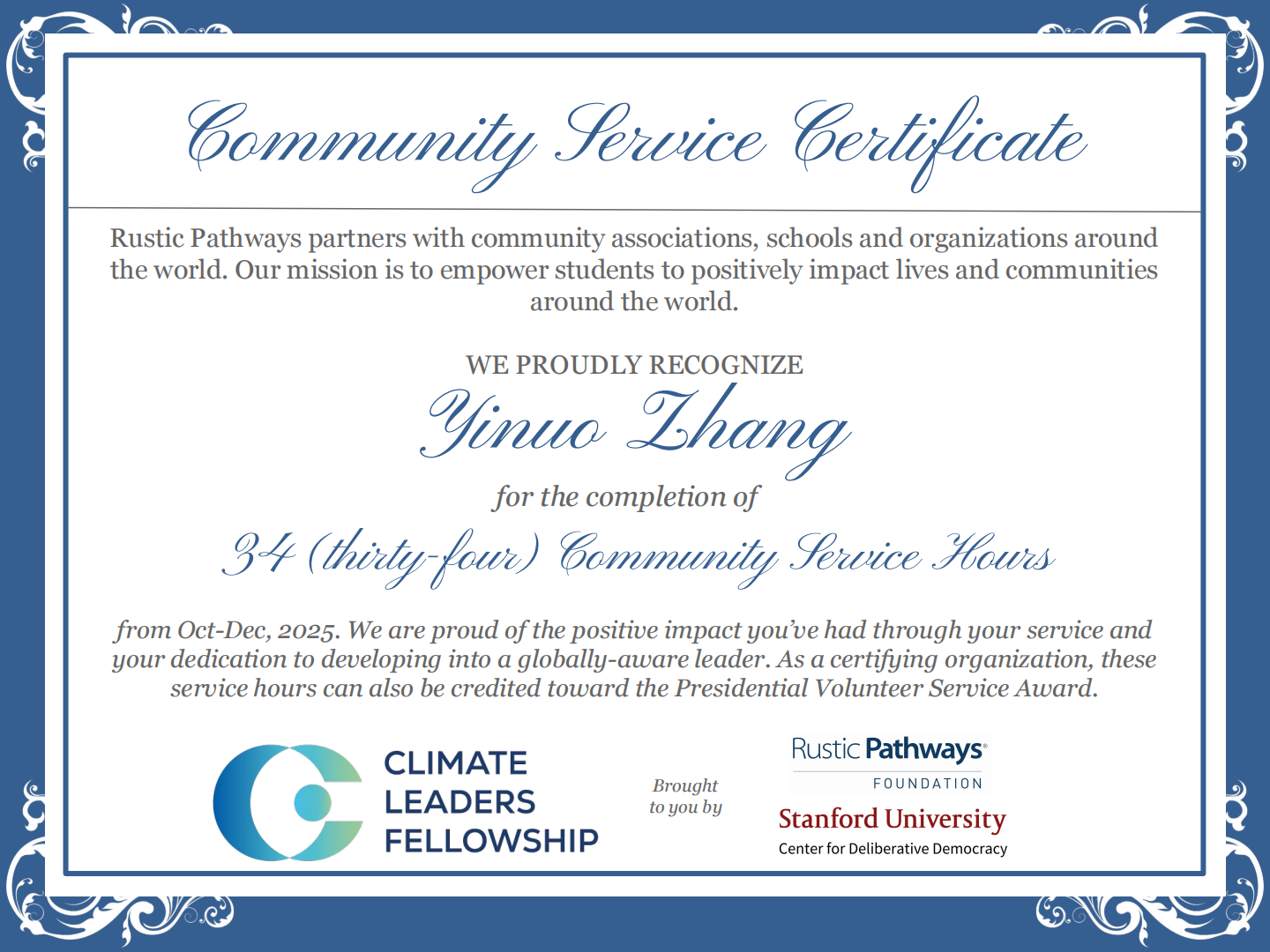
This project began during my Stanford Climate Leadership Fellowship, where I initiated a partnership with the Hefei Shanshui Environmental Protection NGO and conducted my first fieldwork on how drought threatens crops and livelihoods in Denghu Village. That initial research grew into a year-long, self-directed initiative in two villages along Huangpi Lake, a wetland in the Yangtze–Huai River climate transition zone where “either drought or flooding” has become the new normal.
Using a hazard–exposure–vulnerability framework, I led a mixed-methods study—106 surveys (about 28% of resident households), 15 in-depth household interviews, and focus groups with six types of local stakeholders—which revealed a dual vulnerability: elderly residents living alone, and large-scale farmers with high exposure but little preparedness. Working with villagers and the NGO, I helped co-design an irrigation and water-system restoration plan that pairs nature-based solutions with the region’s traditional “polder field–ditch and pond” wisdom, alongside a neighbor-support network for at-risk elders. Our findings were published as a bilingual Chinese–English report and selected as a youth-led action case for a COP31 climate report.
调查报告link:
https://drive.google.com/drive/folders/1KqXmUbGa9ftoZJApD9IZeTJtNBhrDmVp?usp=sharing
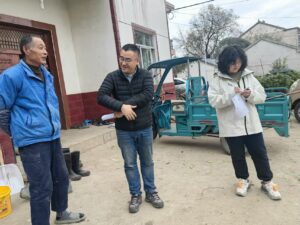
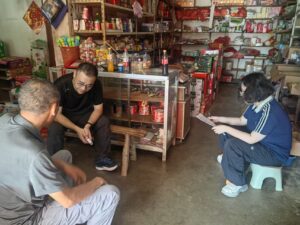
Here are some actual photos taken during the interview:



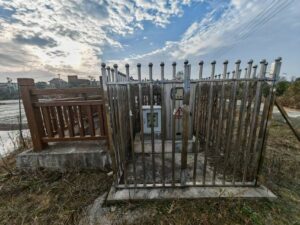
Here are some photos of malfunctioning drought relief facilities.


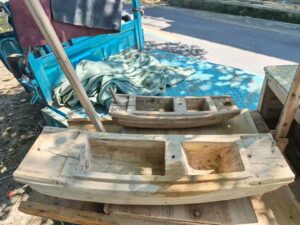
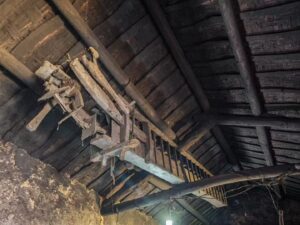
A long-neglected pond, the villagers’ farmland, and some ingenious tools used by farmers in their work.